




Multi-Cloud vs Single Cloud Strategy: Which Approach Will Scale Your Business in 2026?
Multi-cloud vs single cloud explained simply. Discover benefits, risks, costs, and how to choose the right cloud strategy for your business in 2026.

Most businesses moving to the cloud face a critical decision early on:
👉 Should we rely on one cloud provider—or multiple?
At first glance, it sounds like a technical choice.
In reality, it directly impacts your cost, flexibility, risk, and long-term growth.
Many companies rush into a setup without thinking long-term—and end up locked into systems that limit them later.
This guide takes a different approach.
No jargon overload.
👉 Just clear, practical insight to help you decide what actually works.
☁️ The Simplest Way to Understand It
Let’s break it down in one line:
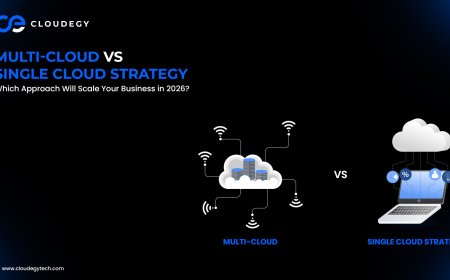
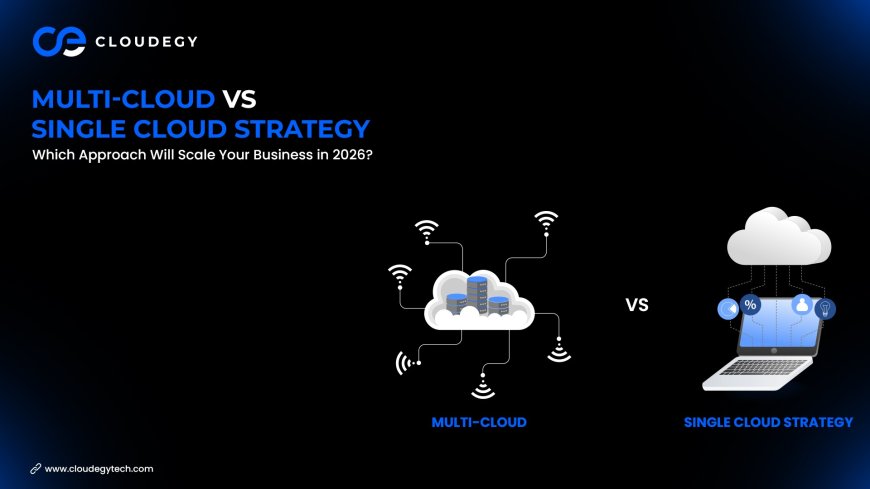
- Single Cloud = One provider for everything
- Multi-Cloud = Multiple providers for different needs
👉 It’s not about technology
👉 It’s about control vs simplicity
🌐 What is a Single Cloud Strategy?
A single cloud strategy means using one cloud provider for all your infrastructure, applications, and services.
Everything runs in one ecosystem.
💡 How It Works
- One platform
- One billing system
- One management interface
👉 Simple and centralized
✅ Why Businesses Choose Single Cloud
⚡ 1. Simplicity
Everything is easier to manage
💰 2. Cost Efficiency
Better pricing with one provider
⚙️ 3. Faster Setup
No need to integrate multiple systems
🧠 4. Easier Team Management
Less complexity for IT teams
👉 Ideal for startups and growing companies
⚠️ Where Single Cloud Falls Short
- Vendor dependency
- Limited flexibility
- Risk of service outages
👉 You’re putting everything in one place
🌍 What is a Multi-Cloud Strategy?
Multi-cloud means using multiple cloud providers for different workloads.
💡 How It Works
- Different providers for different services
- Distributes workloads
- Reduces reliance on a single vendor
👉 It’s about flexibility and resilience
✅ Why Businesses Choose Multi-Cloud
🔄 1. Avoid Vendor Lock-In
No dependency on one provider
⚡ 2. Better Performance
Use best service from each provider
🛡️ 3. Higher Reliability
If one fails, others keep running
🌍 4. Global Optimization
Choose providers based on region
👉 Ideal for large-scale and critical systems
⚠️ Where Multi-Cloud Gets Complex
- More management effort
- Integration challenges
- Higher operational complexity
👉 Flexibility comes with responsibility
🔍 Real Difference
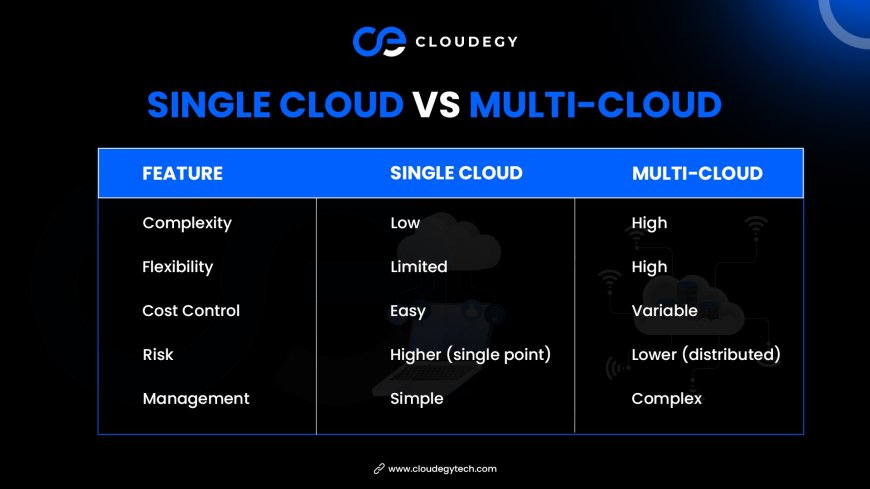
👉 Choose based on your capability, not trends
🧠 How to Actually Decide (Practical Thinking)
Forget theory—ask yourself:
1. How critical is uptime?
- Low → Single cloud is fine
- High → Multi-cloud is safer
2. Do you have a strong tech team?
- No → Avoid multi-cloud complexity
- Yes → Multi-cloud becomes powerful
3. Are you scaling fast?
- Yes → Multi-cloud gives flexibility
- No → Single cloud is efficient
👉 Your answers define your strategy
🚀 Real-World Use Cases
Single Cloud Works Best For:
- Startups
- Small to mid businesses
- Simple applications
- Budget-conscious teams
Multi-Cloud Works Best For:
- Enterprises
- High-traffic platforms
- Global applications
- Mission-critical systems
👉 Scale determines strategy
⚠️ Biggest Mistake Businesses Make
Many companies adopt multi-cloud too early.
👉 “More advanced = better”
That’s not true.
Without proper expertise:
- Costs increase
- Complexity grows
- Performance suffers
👉 Overengineering kills efficiency
💰 Cost Reality
Single Cloud:
- Predictable billing
- Easier cost control
Multi-Cloud:
- Flexible pricing
- Harder cost tracking
👉 Multi-cloud can become expensive if unmanaged
🛡️ Risk & Reliability
Single Cloud Risk:
- If provider fails → everything stops
Multi-Cloud Advantage:
- Failover systems reduce downtime
👉 Multi-cloud improves resilience
🔄 Hybrid Reality (What Smart Companies Do)
Many businesses combine:
- Single cloud (core systems)
- Multi-cloud (critical workloads)
👉 Balanced strategy wins
🔮 Future Trends (2026 & Beyond)
- Multi-cloud adoption is growing
- AI-driven cloud optimization
- Better cloud management tools
- Increased focus on flexibility
👉 Cloud strategy is becoming smarter—not bigger
🏁 Conclusion
Multi-cloud and single cloud are not competitors.
They are different approaches for different stages.
- Single cloud → simplicity, speed, cost control
- Multi-cloud → flexibility, resilience, scalability
👉 The best choice depends on your business maturity
👉 And the smartest move?
Start simple. Scale smart.
What's Your Reaction?
 Like
0
Like
0
 Dislike
0
Dislike
0
 Love
0
Love
0
 Funny
0
Funny
0
 Angry
0
Angry
0
 Sad
0
Sad
0
 Wow
0
Wow
0