





Top Cloud Computing Trends in 2026
Cloud computing has become the backbone of modern digital infrastructure. Businesses across industries rely on cloud technology to store data, run applications, and manage operations efficiently. As technology continues to evolve, cloud computing is also undergoing rapid transformation.

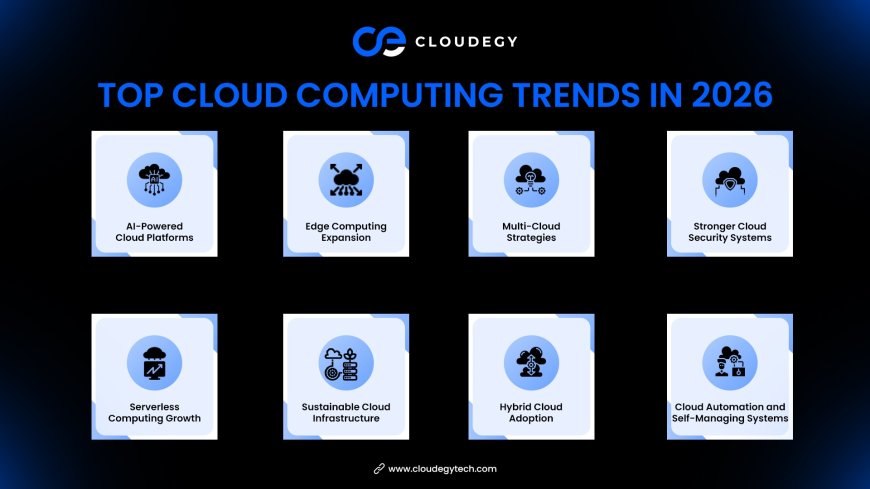
In 2026, cloud platforms are becoming smarter, faster, and more secure. Innovations such as artificial intelligence, edge computing, and advanced cybersecurity are shaping the next generation of cloud services.
Understanding these trends is important for businesses that want to stay competitive in a rapidly changing digital environment. In this article, we explore the top cloud computing trends in 2026 and how they are transforming industries worldwide.
Why Cloud Computing Is Growing Rapidly
The demand for cloud computing continues to grow because organizations are increasingly shifting toward digital operations. Businesses require flexible infrastructure that can handle growing data volumes while supporting remote work and global collaboration.
Cloud computing provides:
• Scalable computing resources
• Secure data storage solutions
• Cost-efficient IT infrastructure
• Real-time collaboration tools
These advantages have made cloud computing an essential technology for companies of all sizes.
Top Cloud Computing Trends in 2026
1. AI-Powered Cloud Platforms
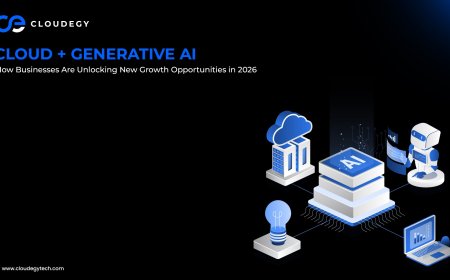
Artificial intelligence is becoming deeply integrated into cloud computing systems. Many cloud providers are incorporating AI-driven tools that help businesses automate tasks, analyze large datasets, and improve decision-making.
AI-powered cloud platforms can perform tasks such as:
• Predicting system failures
• Automating resource management
• Analyzing customer data
• Improving cybersecurity monitoring
These intelligent systems help organizations operate more efficiently and reduce operational risks.
2. Edge Computing Expansion
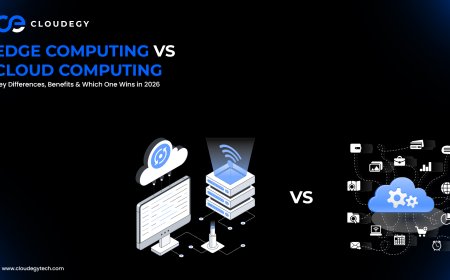
Edge computing is emerging as a powerful complement to traditional cloud infrastructure. Instead of processing data in centralized cloud data centers, edge computing processes information closer to where it is generated.
This approach reduces latency and improves performance for applications that require real-time processing.
Industries benefiting from edge computing include:
• Internet of Things (IoT) systems
• Autonomous vehicles
• Smart cities
• Industrial automation
As data generation increases, edge computing will play a crucial role in improving cloud efficiency.
3. Multi-Cloud Strategies
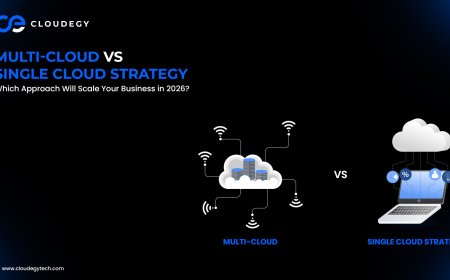
Many organizations are now adopting multi-cloud strategies, where they use services from multiple cloud providers instead of relying on a single platform.
This approach provides several advantages:
• Increased flexibility
• Reduced dependency on one provider
• Improved reliability
• Better cost optimization
Multi-cloud environments allow businesses to choose the best services from different providers while maintaining operational resilience.
4. Stronger Cloud Security Systems
As more businesses move sensitive data to the cloud, security has become a top priority. In 2026, cloud providers are investing heavily in advanced cybersecurity technologies.
Key cloud security trends include:
• Zero-trust security models
• AI-based threat detection
• End-to-end encryption
• Advanced identity management systems
These innovations help protect data from cyber threats and ensure compliance with global data protection regulations.
5. Serverless Computing Growth
Serverless computing is gaining popularity because it allows developers to build and run applications without managing underlying servers.
In this model, cloud providers automatically handle infrastructure management, scaling, and resource allocation.
Benefits of serverless computing include:
• Faster application development
• Reduced infrastructure management
• Lower operational costs
• Improved scalability
As more organizations focus on agile development, serverless computing will continue to expand.
6. Sustainable Cloud Infrastructure
Environmental sustainability is becoming an important priority for technology companies. Cloud providers are investing in energy-efficient data centers and renewable energy sources to reduce their environmental impact.
Many cloud providers are working toward carbon-neutral or carbon-negative operations.
Sustainable cloud infrastructure helps businesses reduce their carbon footprint while maintaining efficient computing systems.
7. Hybrid Cloud Adoption
Hybrid cloud solutions combine private cloud infrastructure with public cloud services. This approach allows organizations to maintain control over sensitive data while still benefiting from the scalability of public cloud platforms.
Hybrid cloud environments provide:
• Improved security for confidential data
• Greater operational flexibility
• Better control over IT infrastructure
As businesses continue to modernize their systems, hybrid cloud architectures will become increasingly common.
8. Cloud Automation and Self-Managing Systems
Automation is transforming cloud management by reducing the need for manual configuration and monitoring.
Advanced cloud platforms now include automated systems that can:
• Allocate resources dynamically
• Monitor performance continuously
• Detect security threats
• Optimize system efficiency
These self-managing systems help businesses reduce operational complexity and improve reliability.
Industries Being Transformed by Cloud Computing
Cloud computing is driving innovation across many industries.
Healthcare uses cloud platforms to manage medical records and telemedicine systems.
Finance relies on cloud infrastructure for secure transactions and financial analytics.
Retail and e-commerce use cloud systems to manage large-scale online platforms.
Education uses cloud technology to support remote learning environments.
These industries are benefiting from the scalability and flexibility offered by cloud solutions.
The Future of Cloud Technology
The future of cloud computing will continue to evolve with new technologies and innovations. Artificial intelligence, advanced cybersecurity systems, and global connectivity will further expand the capabilities of cloud platforms.
Businesses that stay informed about emerging trends will be better prepared to adopt new technologies and maintain a competitive advantage.
Cloud computing will continue to serve as the foundation for digital transformation in the coming years.
Conclusion
Cloud computing is rapidly evolving as new technologies reshape the digital landscape. Trends such as AI-powered cloud platforms, edge computing, multi-cloud strategies, and advanced cybersecurity are defining the future of cloud technology.
For businesses, understanding these trends is essential for staying competitive and building efficient digital infrastructure.
Organizations that adopt modern cloud technologies can improve scalability, enhance security, and unlock new opportunities for innovation and growth.
What's Your Reaction?
 Like
0
Like
0
 Dislike
0
Dislike
0
 Love
0
Love
0
 Funny
0
Funny
0
 Angry
0
Angry
0
 Sad
0
Sad
0
 Wow
0
Wow
0