

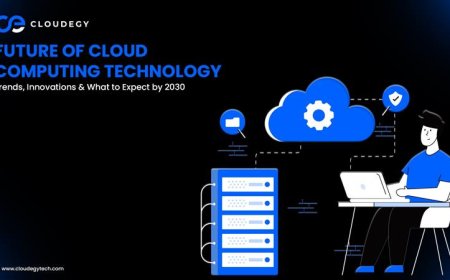




Future of Cloud Computing Technology: Trends, Innovations & What to Expect by 2030
Cloud computing has already transformed the way businesses operate, but its journey is far from over. As technology continues to evolve, cloud computing is becoming more powerful, intelligent, and essential for digital transformation.

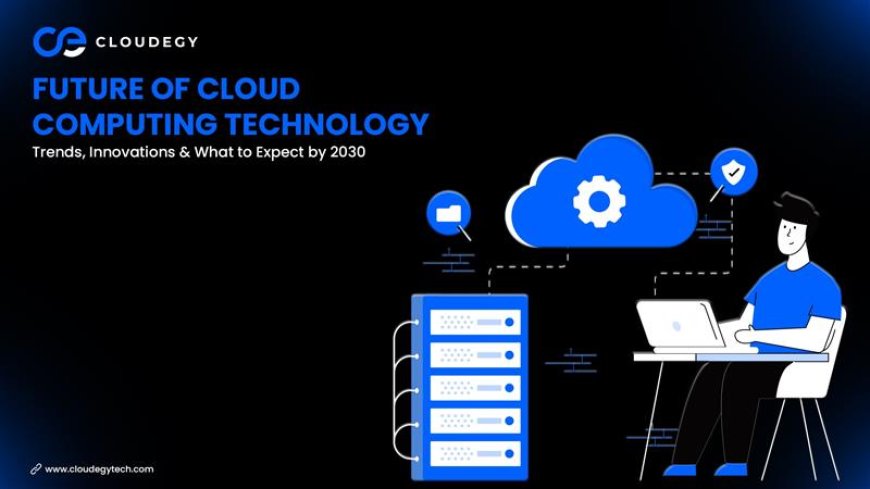
From artificial intelligence to edge computing, the future of cloud technology is shaping how businesses scale, innovate, and compete globally.
In this guide, we explore the future of cloud computing, emerging trends, and what businesses can expect in the coming years.
What is Driving the Future of Cloud Computing?
Several factors are accelerating cloud adoption worldwide:
• Increasing demand for remote work
• Rapid growth of data generation
• Need for scalable infrastructure
• Advancements in AI and automation
• Digital transformation across industries
Businesses are moving toward cloud-first strategies to stay competitive and agile.
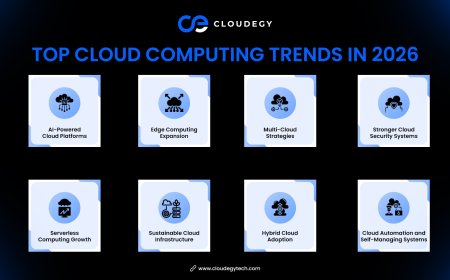
Top Cloud Computing Trends Shaping the Future
1. Artificial Intelligence (AI) Integration
AI is becoming a core part of cloud computing.
Cloud platforms are integrating AI to:
• Automate operations
• Improve data analysis
• Enhance decision-making
• Optimize performance
AI-powered cloud systems can predict system failures, automate workflows, and improve efficiency.
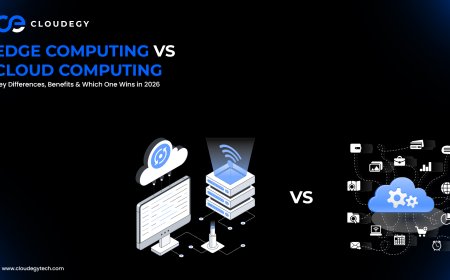
2. Rise of Edge Computing
Edge computing processes data closer to the source instead of relying solely on centralized cloud servers.
Benefits:
• Faster data processing
• Reduced latency
• Better performance for real-time applications
This is especially important for IoT devices, smart cities, and autonomous systems.
3. Serverless Computing Growth
Serverless computing allows developers to build applications without managing infrastructure.
Advantages:
• No server management
• Faster deployment
• Cost efficiency
Businesses can focus entirely on development rather than infrastructure maintenance.
4. Multi-Cloud and Hybrid Cloud Strategies
Businesses are increasingly adopting multi-cloud strategies to avoid dependency on a single provider.
Benefits:
• Improved flexibility
• Better risk management
• Enhanced performance
Hybrid cloud combines private and public cloud systems, offering greater control and scalability.
5. Enhanced Cloud Security
As cyber threats increase, cloud security is becoming more advanced.
Future cloud systems will include:
• Zero-trust security models
• AI-based threat detection
• End-to-end encryption
• Advanced identity management
Security will remain a top priority for businesses adopting cloud technology.
6. Cloud Automation and DevOps
Automation is transforming cloud operations.
Key Trends:
• Automated deployments
• Continuous integration and delivery (CI/CD)
• Infrastructure as Code (IaC)
This reduces manual effort and improves efficiency.
7. Growth of Cloud-Native Applications
Cloud-native applications are designed specifically for cloud environments.
They offer:
• Better scalability
• Faster performance
• Improved reliability
These applications will dominate future software development.
8. Sustainable and Green Cloud Computing
Sustainability is becoming a major focus.
Cloud providers are investing in:
• Energy-efficient data centers
• Renewable energy sources
• Carbon-neutral operations
Green cloud computing will play a key role in reducing environmental impact.
How Cloud Computing Will Impact Businesses
Faster Innovation
Cloud technology enables businesses to experiment, test, and launch products quickly.
Cost Optimization
Advanced cloud systems will further reduce operational costs.
Global Expansion
Businesses can expand globally without physical infrastructure.
Improved Collaboration
Cloud tools enable seamless collaboration across teams worldwide.
Data-Driven Decision Making
With AI and analytics, businesses can make smarter decisions using real-time data.
Role of Cloud Storage in the Future
Cloud storage will continue to evolve with:
• Faster data access
• Better security
• Intelligent file management
• Automated backups
Solutions like Cloudegy Drive are already helping businesses store, share, and manage data securely.
👉 Get started: https://drive.cloudegytech.com/
Challenges in Future Cloud Computing
Despite its growth, cloud computing faces challenges:
• Data privacy concerns
• Compliance regulations
• Vendor lock-in
• Security risks
Businesses must adopt best practices to overcome these challenges.
How Businesses Can Prepare for the Future
To stay ahead, businesses should:
• Adopt cloud-first strategies
• Invest in security
• Train teams on cloud technologies
• Use scalable cloud solutions
• Monitor cloud performance
Preparation is key to leveraging future cloud advancements.
Future Predictions for Cloud Computing
By 2030, cloud computing is expected to:
• Power most business applications
• Integrate deeply with AI and automation
• Support billions of connected devices
• Enable smarter cities and industries
Cloud technology will become the backbone of digital ecosystems.
Why Cloud Computing is the Future
Cloud computing is not just a trend—it is the foundation of modern technology.
It enables businesses to:
• Scale faster
• Innovate continuously
• Reduce costs
• Stay competitive
Organizations that adopt cloud technology early will lead the future.
Conclusion
The future of cloud computing is dynamic, innovative, and full of opportunities.
From AI integration to edge computing, cloud technology will continue to evolve and transform industries.
Businesses that embrace these changes will gain a competitive advantage and unlock new growth possibilities.
Cloud computing is not just the future—it is already shaping the present.
What's Your Reaction?
 Like
0
Like
0
 Dislike
0
Dislike
0
 Love
0
Love
0
 Funny
0
Funny
0
 Angry
0
Angry
0
 Sad
0
Sad
0
 Wow
0
Wow
0