









Benefits of Cloud Computing for Businesses
In today’s digital landscape, businesses are constantly looking for ways to improve efficiency, reduce operational costs, and stay competitive. One of the most transformative technologies helping companies achieve these goals is cloud computing.

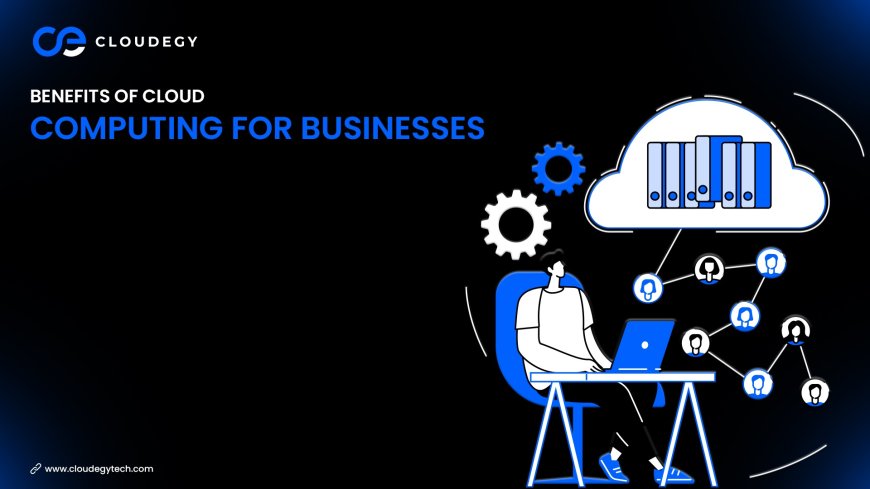
Cloud computing allows businesses to store data, run applications, and manage operations through internet-based systems rather than relying on traditional on-site infrastructure. This shift enables organizations to operate more flexibly and efficiently while maintaining secure access to their digital resources.
From startups to large enterprises, companies across industries are adopting cloud computing to modernize their operations. In this article, we will explore the key benefits of cloud computing for businesses and why it has become a critical component of modern IT infrastructure.
What is Cloud Computing for Businesses?
Cloud computing refers to the delivery of computing services such as servers, storage, databases, networking, and software through the internet.
Instead of installing applications on individual computers or maintaining expensive physical servers, businesses can access these resources online through cloud platforms.
This allows organizations to manage their digital operations more efficiently while reducing the complexity of IT infrastructure management.
Why Businesses Are Moving to Cloud Technology
Traditional IT systems often require significant investment in hardware, maintenance, and upgrades. These systems can become difficult to manage as businesses grow.
Cloud technology solves these challenges by providing scalable and flexible computing resources that can be adjusted according to business needs.
Companies can quickly expand their storage capacity, deploy applications, and enable remote collaboration without purchasing new hardware.
Top Benefits of Cloud Computing for Businesses
1. Cost Savings
One of the biggest advantages of cloud computing is reduced operational costs.
Traditional IT infrastructure requires companies to invest in physical servers, networking equipment, and dedicated data centers. These systems also require ongoing maintenance and upgrades.
Cloud computing eliminates the need for large upfront investments. Businesses typically pay only for the resources they use, which helps optimize expenses and improve financial efficiency.
2. Scalability and Flexibility
Business needs can change rapidly, especially for growing companies. Cloud computing allows organizations to scale their resources up or down depending on demand.
For example, businesses can increase storage capacity during periods of high activity and reduce it when demand decreases.
This flexibility allows companies to adapt quickly without investing in additional hardware.
3. Remote Access and Mobility
Cloud computing allows employees to access business data and applications from anywhere with an internet connection.
This capability supports remote work environments and allows teams to collaborate effectively even when working from different locations.
Employees can use laptops, smartphones, or tablets to access important files and continue their work without interruptions.
4. Improved Data Security
Protecting business data is a top priority for organizations. Cloud platforms typically include advanced security measures such as:
• Data encryption
• Secure authentication systems
• Access control permissions
• Regular security updates
These features help protect sensitive business information from unauthorized access and cyber threats.
5. Automatic Data Backup
Data loss can be extremely damaging for businesses. Hardware failures, accidental deletion, or cyberattacks can lead to the loss of critical information.
Cloud computing platforms usually include automated backup systems that store copies of files in secure data centers.
This ensures that businesses can recover their data quickly if any unexpected issue occurs.
6. Improved Team Collaboration
Cloud-based tools allow employees to collaborate in real time on documents, presentations, and projects.
Instead of sending files through email or managing multiple versions of the same document, team members can work together within a shared cloud environment.
This improves productivity and reduces confusion in project workflows.
7. Faster Deployment of Applications
Cloud computing allows businesses to deploy new applications and services much faster compared to traditional IT systems.
Developers can create testing environments, launch new tools, and implement updates quickly without waiting for hardware installations.
This speeds up innovation and allows companies to respond faster to market changes.
8. Reduced IT Maintenance
Maintaining traditional IT infrastructure requires skilled technical staff to manage servers, monitor systems, and perform updates.
Cloud providers handle most of these responsibilities, including server maintenance, software updates, and infrastructure management.
This reduces the workload on internal IT teams and allows businesses to focus more on strategic initiatives.
Cloud Computing and Business Growth
Cloud computing not only improves operational efficiency but also supports long-term business growth.
Companies that adopt cloud technology can easily expand their services, reach new markets, and integrate modern digital tools.
Cloud systems provide the flexibility needed to handle increasing data volumes and customer demands.
For startups and growing businesses, this scalability is particularly valuable because it allows them to grow without major infrastructure limitations.
Industries Benefiting from Cloud Computing
Cloud technology is widely used across multiple industries, including:
Technology Companies – to manage applications and data infrastructure.
Healthcare – to store patient records securely and improve accessibility.
Finance – to process transactions and manage financial data safely.
Education – to support online learning platforms.
E-commerce – to manage large volumes of customer and product data.
These industries rely on cloud solutions to improve efficiency, security, and scalability.
The Future of Cloud Computing in Business
Cloud computing continues to evolve as new technologies emerge. Innovations such as artificial intelligence, automation, and edge computing are expanding the capabilities of cloud platforms.
Businesses are increasingly integrating cloud services with advanced technologies to improve decision-making, automate processes, and enhance customer experiences.
As digital transformation continues, cloud computing will remain a fundamental part of business operations worldwide.
Conclusion
Cloud computing has become a powerful tool for modern businesses seeking efficiency, flexibility, and cost savings. By providing scalable infrastructure, secure data management, and remote accessibility, cloud technology helps organizations operate more effectively in a digital environment.
Companies that adopt cloud computing can reduce operational complexity, improve collaboration, and support long-term growth. As technology continues to evolve, cloud solutions will remain essential for businesses looking to stay competitive in an increasingly connected world.
What's Your Reaction?
 Like
0
Like
0
 Dislike
0
Dislike
0
 Love
0
Love
0
 Funny
0
Funny
0
 Angry
0
Angry
0
 Sad
0
Sad
0
 Wow
0
Wow
0