











Data Privacy in Cloud Computing: How to Protect Sensitive Information in 2026
Learn how to protect sensitive data in cloud computing. Discover best practices, risks, and strategies for ensuring data privacy in 2026.

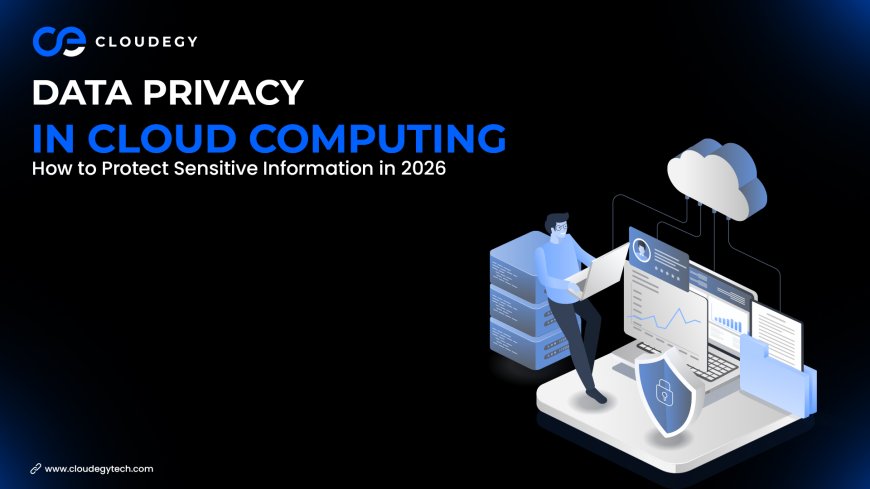
As businesses continue to embrace cloud computing, the way data is stored, processed, and accessed has fundamentally changed. While the cloud offers unmatched flexibility and scalability, it also raises serious concerns about data privacy.
In 2026, protecting sensitive information is more important than ever. With increasing cyber threats, strict regulations, and growing user awareness, organizations must ensure that their data remains private and secure in the cloud.
This guide will help you understand data privacy in cloud computing, the risks involved, and how to effectively protect your data.
☁️ What is Data Privacy in Cloud Computing?
Data privacy in cloud computing refers to the protection of sensitive information stored in cloud environments from unauthorized access, misuse, or exposure.
It includes:
- Personal data protection
- Financial information security
- Business data confidentiality
👉 The goal is simple: Only authorized users should access your data.
🔐 Why Data Privacy Matters in the Cloud
Data is one of the most valuable assets for any business. Losing control over it can lead to serious consequences.
Key reasons why privacy matters:
- Protects customer trust
- Prevents data breaches
- Ensures legal compliance
- Safeguards business reputation
👉 Data privacy is not just a technical issue—it’s a business priority.
⚠️ Common Data Privacy Risks in Cloud Computing
🔓 1. Unauthorized Access
Weak access controls can allow hackers or unauthorized users to access sensitive data.
⚙️ 2. Misconfigured Cloud Settings
Incorrect settings can expose data publicly.
👉 One small mistake = massive data leak.
🔑 3. Weak Authentication
Using simple passwords increases vulnerability.
🔍 4. Lack of Visibility
Without proper monitoring, suspicious activities go unnoticed.
🌍 5. Data Location & Compliance Issues
Data stored in different countries may be subject to various regulations.
🧠 6. Insider Threats
Employees or partners with access can misuse data intentionally or accidentally.
🛡️ Best Practices to Ensure Data Privacy in the Cloud
🔐 1. Encrypt Your Data
Encryption ensures that data cannot be read without proper authorization.
Types of encryption:
- Data at rest
- Data in transit
👉 Encryption is the foundation of privacy.
🔑 2. Implement Strong Access Control
Control who can access your data.
Best practices:
- Role-based access
- Multi-Factor Authentication (MFA)
- Least privilege principle
⚙️ 3. Regular Security Audits
Identify and fix vulnerabilities.
👉 Prevention is better than recovery.
🔍 4. Monitor Cloud Activity
Track user behavior and detect threats in real time.
🔄 5. Backup Your Data
Ensure data can be recovered in case of loss or breach.
🧩 6. Secure APIs
APIs should be protected to prevent unauthorized access.
🧠 7. Employee Training
Educate employees about:
- Phishing attacks
- Password security
- Safe data handling
🏢 8. Understand Shared Responsibility Model
Cloud providers secure infrastructure, but you are responsible for your data.
👉 Shared responsibility = shared accountability.
⚖️ Data Privacy Regulations You Should Know
Businesses must comply with global data protection laws:
🌍 GDPR (General Data Protection Regulation)
Applies to EU data protection.
🇺🇸 CCPA (California Consumer Privacy Act)
Focuses on consumer privacy rights.
🌏 Other regional laws
Vary by country and industry.
👉 Compliance is essential to avoid penalties.
🚀 Benefits of Strong Data Privacy Strategy
- Increased customer trust
- Reduced risk of breaches
- Regulatory compliance
- Improved business reputation
- Better data control
👉 Privacy builds credibility.
⚠️ Common Mistakes to Avoid
- Ignoring encryption
- Weak access control
- No monitoring
- Misconfigured settings
- Lack of backups
👉 Avoid these to stay secure.
🔮 Future of Data Privacy in Cloud Computing
The future of cloud data privacy includes:
- AI-based security systems
- Zero Trust architecture
- Advanced encryption technologies
- Privacy-first cloud platforms
👉 The focus is shifting toward proactive protection.
🏁 Conclusion
Data privacy in cloud computing is no longer optional—it’s essential.
As businesses store more sensitive information in the cloud, the risks continue to grow. However, with the right strategies—encryption, access control, monitoring, and compliance—you can protect your data effectively.
👉 Secure your data today to build a trusted digital future.
What's Your Reaction?
 Like
0
Like
0
 Dislike
0
Dislike
0
 Love
0
Love
0
 Funny
0
Funny
0
 Angry
0
Angry
0
 Sad
0
Sad
0
 Wow
0
Wow
0