

















How Cloud Computing Helps Startups Scale Faster: A Complete Growth Guide (2026)
Building a startup is exciting, but scaling it is the real challenge. Startups need to grow quickly, manage resources efficiently, and stay competitive — all while operating on limited budgets.

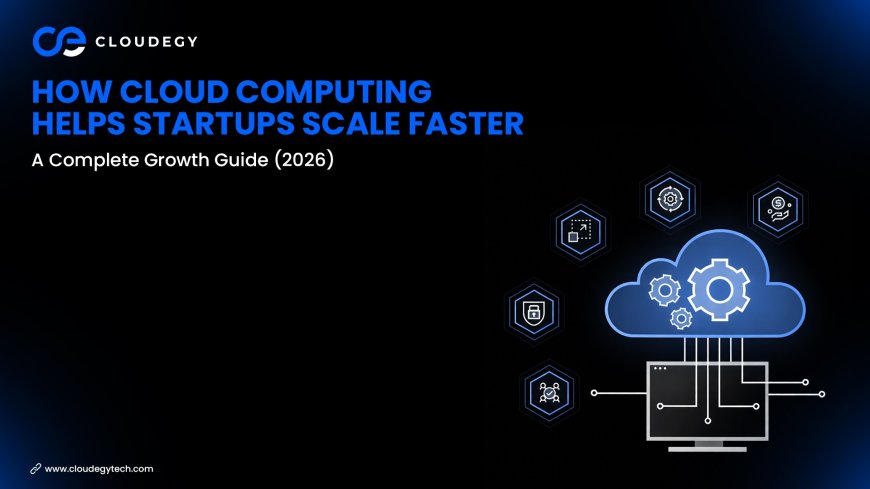
This is where cloud computing becomes a game-changer.
Cloud computing provides startups with access to powerful infrastructure, storage, and tools without the need for heavy upfront investment. It allows businesses to scale faster, operate efficiently, and innovate without limitations.
In this guide, we will explore how cloud computing helps startups scale faster and why it has become essential for modern businesses.
What is Cloud Computing?
Cloud computing is the delivery of computing services such as servers, storage, databases, and networking over the internet.
Instead of investing in physical infrastructure, startups can access these resources on-demand, paying only for what they use.
This flexibility is crucial for startups that need to adapt quickly to changing market demands.
Why Startups Need Scalable Solutions
Startups operate in dynamic environments where growth can be unpredictable.
Some key challenges include:
• Limited budgets
• Rapid user growth
• Changing business needs
• Need for quick deployment
Traditional IT infrastructure cannot keep up with these demands. Cloud computing solves this problem by offering scalable and flexible solutions.
Key Ways Cloud Computing Helps Startups Scale Faster
1. Cost Efficiency and Low Initial Investment
One of the biggest advantages of cloud computing is cost savings.
Startups do not need to invest in:
• Physical servers
• Data centers
• Maintenance teams
Cloud platforms operate on a pay-as-you-go model, allowing startups to pay only for the resources they use.
This helps businesses allocate their budgets more effectively and focus on growth.
2. Instant Scalability
Cloud computing allows startups to scale resources instantly based on demand.
For example:
• Increase storage as data grows
• Handle traffic spikes during product launches
• Expand infrastructure without delays
This flexibility ensures startups can grow without worrying about technical limitations.
3. Faster Time to Market
Speed is critical for startups.
Cloud computing enables:
• Quick deployment of applications
• Faster development cycles
• Easy testing and updates
Startups can launch products faster and gain a competitive edge in the market.
4. Remote Work and Collaboration
Modern startups often have distributed teams.
Cloud solutions enable:
• Access to files from anywhere
• Real-time collaboration
• Secure file sharing
This improves productivity and allows teams to work efficiently regardless of location.
5. Enhanced Data Security
Security is a major concern for startups handling sensitive data.
Cloud platforms provide:
• Data encryption
• Access control
• Regular backups
• Monitoring systems
These features ensure that business data remains safe and protected.
6. Reliability and Uptime
Downtime can be costly for startups.
Cloud infrastructure offers:
• High availability
• Backup systems
• Disaster recovery solutions
This ensures continuous operations and a better user experience.
7. Easy Integration with Tools
Startups rely on multiple tools for operations such as marketing, development, and analytics.
Cloud computing supports seamless integration with:
• CRM systems
• Marketing tools
• Analytics platforms
• Development environments
This improves workflow efficiency and simplifies operations.
8. Global Reach
Cloud computing allows startups to expand globally without setting up physical infrastructure in different locations.
Businesses can:
• Serve customers worldwide
• Deliver content faster
• Expand into new markets easily
Real-World Use Cases
Startups Using Cloud Storage
Startups store and manage files securely using cloud storage platforms, enabling easy access and sharing.
SaaS Startups
Software-as-a-Service companies rely entirely on cloud infrastructure to deliver their products.
E-commerce Startups
Cloud computing helps handle traffic spikes during sales and ensures smooth transactions.
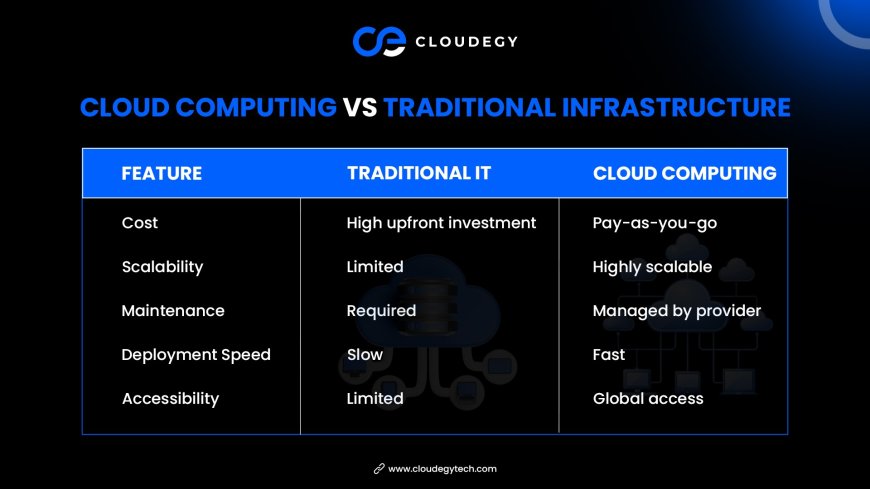
Cloud Computing vs Traditional Infrastructure
How Cloudegy Helps Startups Scale
Platforms like Cloudegy Drive provide startups with secure and scalable cloud solutions.
With features like:
• Secure file storage
• Easy sharing via links
• Access control
• Reliable infrastructure
Startups can manage their data efficiently while focusing on growth.
👉 Get started here: https://drive.cloudegytech.com/
Best Practices for Startups Using Cloud Computing
To maximize benefits, startups should:
• Choose scalable cloud solutions
• Implement strong security practices
• Monitor usage to control costs
• Use automation tools
• Regularly back up data
Future of Cloud Computing for Startups
Cloud computing continues to evolve with new technologies such as:
• Artificial Intelligence integration
• Edge computing
• Serverless architecture
• Advanced security systems
These innovations will further empower startups to grow faster and operate more efficiently.
Conclusion
Cloud computing is no longer optional for startups — it is essential.
It provides the tools, flexibility, and scalability needed to grow quickly in a competitive market.
From reducing costs to enabling global expansion, cloud computing plays a vital role in startup success.
Startups that adopt cloud technology early gain a significant advantage, allowing them to scale faster, innovate better, and stay ahead of the competition.
What's Your Reaction?
 Like
0
Like
0
 Dislike
0
Dislike
0
 Love
0
Love
0
 Funny
0
Funny
0
 Angry
0
Angry
0
 Sad
0
Sad
0
 Wow
0
Wow
0