











Why Data Security Is Important for Businesses
In today’s digital world, data is one of the most valuable assets a business owns. From customer information to financial records and business strategies, data plays a critical role in daily operations.

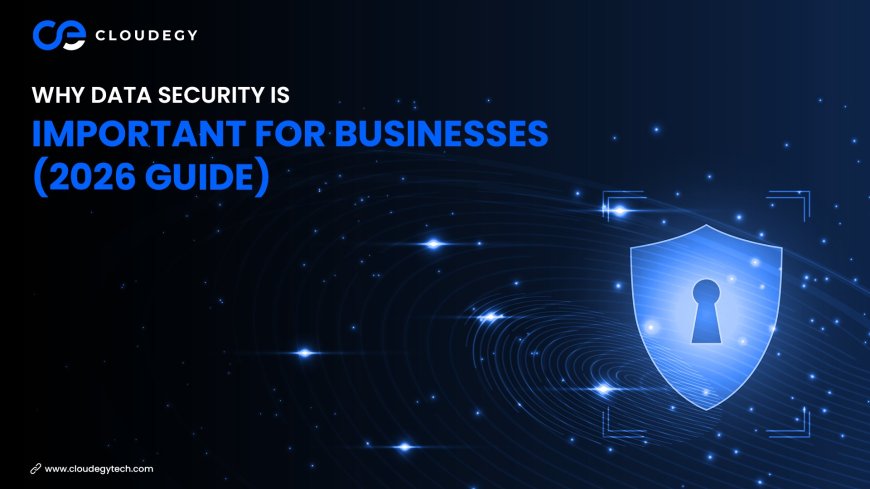
However, with the increasing use of digital systems, businesses are also facing growing risks of cyberattacks, data breaches, and information theft.
This is why data security is no longer optional—it is essential.
In this guide, we’ll explore why data security is important for businesses, the risks of ignoring it, and how companies can protect their valuable information.
What is Data Security?
Data security refers to the process of protecting digital information from unauthorized access, corruption, or theft.
It involves various measures such as:
• Encryption
• Access control
• Firewalls
• Data backups
• Monitoring systems
The goal is to ensure that only authorized users can access sensitive data.
Why Data Security Matters More Than Ever
With businesses moving online, the amount of data generated is increasing rapidly.
At the same time:
• Cyberattacks are becoming more advanced
• Hackers are targeting businesses of all sizes
• Data privacy regulations are becoming stricter
A single data breach can cause significant financial and reputational damage.
Key Reasons Why Data Security Is Important for Businesses
1. Protects Sensitive Information
Businesses handle sensitive data such as:
• Customer details
• Payment information
• Business plans
• Employee records
Data security ensures this information remains safe from unauthorized access.
2. Prevents Financial Loss
Cyberattacks can lead to:
• Direct financial theft
• Legal penalties
• Recovery costs
• Business downtime
Strong data security reduces the risk of these losses.
3. Builds Customer Trust
Customers expect businesses to protect their personal information.
When businesses prioritize data security:
• Customers feel safe
• Brand reputation improves
• Customer loyalty increases
Trust is a major factor in business growth.
4. Ensures Legal Compliance
Many industries must follow data protection regulations.
Examples include:
• GDPR
• Data privacy laws
• Industry compliance standards
Failure to comply can result in heavy fines and legal issues.
5. Prevents Data Breaches
Data breaches can expose confidential information to hackers.
Data security measures help:
• Detect threats early
• Prevent unauthorized access
• Minimize damage
6. Supports Business Continuity
Data loss can disrupt operations.
With proper security:
• Data is backed up
• Systems recover quickly
• Business operations continue smoothly
7. Protects Business Reputation
A data breach can damage a company’s reputation.
Businesses that prioritize security:
• Maintain credibility
• Avoid negative publicity
• Build long-term trust
8. Enables Secure Remote Work
With remote work becoming common, employees access data from multiple locations.
Data security ensures:
• Safe remote access
• Secure file sharing
• Controlled permissions
9. Prevents Insider Threats
Not all threats come from outside.
Data security helps control:
• Employee access levels
• Unauthorized internal actions
• Data misuse
10. Supports Digital Growth
As businesses grow digitally, data security becomes essential.
It allows companies to:
• Scale safely
• Adopt new technologies
• Expand operations confidently
Common Data Security Threats
Businesses must be aware of common threats such as:
Cyberattacks
Hackers attempt to steal or damage data.
Phishing Attacks
Fraudulent emails trick users into sharing sensitive information.
Malware & Ransomware
Malicious software can lock or destroy data.
Insider Threats
Employees or insiders misuse access.
Weak Passwords
Poor security practices make systems vulnerable.
Best Practices for Business Data Security
To protect data effectively, businesses should:
1. Use Strong Access Controls
Limit access based on roles and responsibilities.
2. Encrypt Data
Ensure data is protected during storage and transfer.
3. Regular Backups
Always keep secure backups to prevent data loss.
4. Employee Training
Educate employees about security risks and best practices.
5. Use Secure Cloud Solutions
Cloud platforms offer advanced security features.
Solutions like Cloudegy Drive provide:
• Secure file storage
• Controlled access
• Safe file sharing
👉 Get started: https://drive.cloudegytech.com/
6. Monitor Systems
Use monitoring tools to detect suspicious activities.
7. Update Software Regularly
Keep systems updated to prevent vulnerabilities.
Role of Cloud Computing in Data Security
Cloud computing has significantly improved data security.
Key benefits include:
• Advanced encryption
• Automated backups
• Centralized data management
• Scalable security systems
Cloud platforms make it easier for businesses to protect their data effectively.
Consequences of Poor Data Security
Ignoring data security can lead to:
• Financial losses
• Legal penalties
• Loss of customer trust
• Business disruption
• Reputational damage
These risks highlight the importance of investing in proper security measures.
Future of Data Security
Data security will continue to evolve with:
• AI-based threat detection
• Zero-trust security models
• Biometric authentication
• Advanced encryption technologies
Businesses must stay updated to remain secure.
Conclusion
Data security is a critical part of modern business operations.
From protecting sensitive information to ensuring business continuity, its importance cannot be ignored.
Businesses that invest in strong data security measures can:
• Build trust
• Prevent losses
• Grow confidently
In a digital-first world, securing your data means securing your future.
What's Your Reaction?
 Like
0
Like
0
 Dislike
0
Dislike
0
 Love
0
Love
0
 Funny
0
Funny
0
 Angry
0
Angry
0
 Sad
0
Sad
0
 Wow
0
Wow
0